Description
What is Parboiled Rice and How Is It Processed?
The Parboiling Process: Soaking, Steaming, Drying
The parboiling process is a sophisticated hydrothermal treatment that transforms ordinary paddy rice into a nutritionally enhanced product. The process begins with soaking rough rice (paddy with husk intact) in warm water at 60-70 degrees Celsius for 4-8 hours. During soaking, the grain absorbs moisture uniformly, preparing the starch granules for gelatinization. Water-soluble vitamins and minerals from the bran layer begin migrating inward toward the starchy endosperm.
The second stage involves exposing the soaked paddy to high-pressure steam at 100-120 degrees Celsius for 10-20 minutes. This intense heat and pressure causes the starch granules to swell, rupture, and then re-form into a dense, glassy structure (gelatinization). The gelatinized starch effectively traps the vitamins and minerals that migrated from the bran during soaking, permanently locking them into the grain. This is the key innovation of parboiling – the nutrients are preserved inside the endosperm even after the bran is removed by subsequent milling.
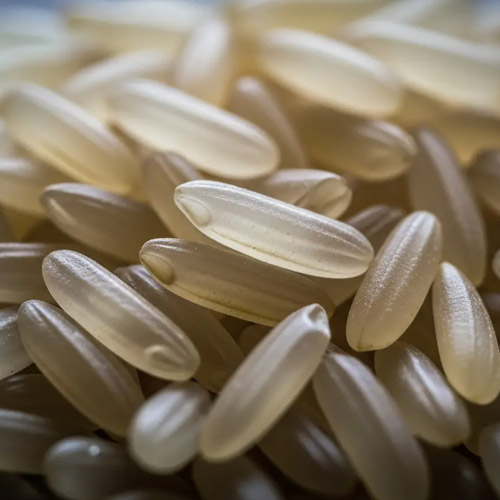
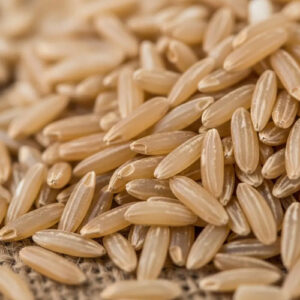
The final stage is controlled drying, which reduces the grain moisture content from approximately 35-40% back to the safe storage level of 14% or below. Drying must be done gradually to prevent the grains from cracking or developing stress fractures. Modern parboiling facilities use column dryers with precisely controlled airflow and temperature. After drying, the parboiled paddy is rested (tempered) for several hours before conventional milling to remove the husk and bran, revealing the characteristic golden-amber parboiled kernel.
Nutritional Advantages Over Regular White Rice
Research consistently demonstrates the nutritional superiority of parboiled rice over conventionally milled white rice. A 100-gram serving of parboiled rice provides approximately 0.22mg of thiamine (vitamin B1) compared to just 0.07mg in regular white rice – a threefold increase. Niacin (vitamin B3) levels are approximately 4.0mg versus 1.6mg. Iron content increases from 0.8mg to 1.5mg, and zinc from 0.7mg to 1.1mg. These differences are particularly significant in regions where rice is the primary calorie source and micronutrient deficiencies are prevalent.
Popularity in Africa and the Middle East
West Africa is the world’s largest market for parboiled rice, with Nigeria alone importing over 2 million metric tons annually. Traditional West African dishes like jollof rice, fried rice, and coconut rice require grains that stay firm and separate after cooking with spices and sauces – exactly the cooking characteristics that parboiling produces. In the Middle East, parboiled rice is used for biryani, kabsa, and mandi dishes where fluffy, individual grains are essential. The growing demand from these regions has made parboiled rice the fastest-growing segment of international rice trade.
Glycemic Index Benefits for Health-Conscious Markets
The lower glycemic index of parboiled rice (GI 38-45 vs. 64-72 for regular white rice) is creating new market opportunities in health-conscious Western countries. The starch retrogradation that occurs during parboiling creates resistant starch – a form of starch that resists digestion in the small intestine and behaves more like dietary fiber. This resistant starch slows glucose absorption, reduces insulin spikes, and provides prebiotic benefits for gut health. Parboiled rice is increasingly recommended by nutritionists and diabetic educators as a healthier alternative to regular white rice for people managing type 2 diabetes, metabolic syndrome, or weight control.
Reviews
There are no reviews yet.