Description
What is Long Grain White Rice 5% Broken and How Is It Graded?
What “5% Broken” Means for Quality
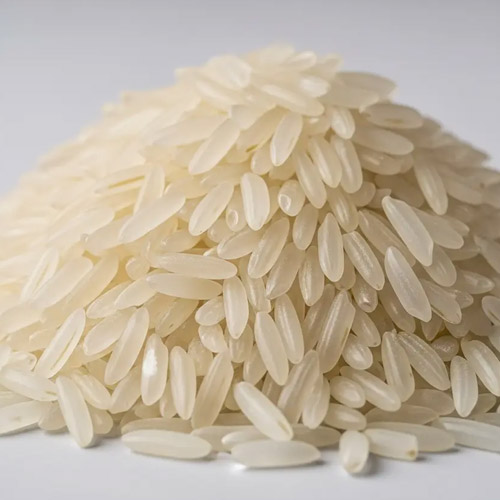
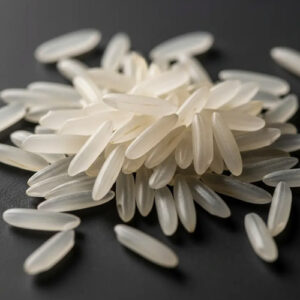
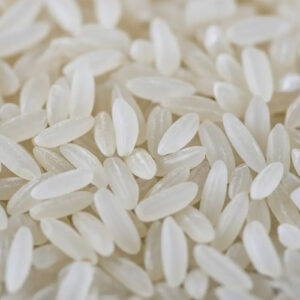
In the international rice trade, the broken grain percentage is the single most important quality indicator and the primary determinant of price. A grain is classified as “broken” when it is less than 80% of the average whole kernel length. The 5% broken grade means that after milling and sorting, no more than 5 out of every 100 grains are broken fragments. This is the premium commercial grade, one step below sortexed or “super” grade (which has virtually zero broken grains and commands a significant price premium).
The broken percentage directly impacts visual appeal, cooking uniformity, and market perception. When rice cooks, broken fragments absorb water faster and become softer than whole grains, creating an uneven texture. With only 5% broken grains, the cooked result is remarkably consistent – every grain cooks at the same rate, absorbs the same amount of water, and achieves the same tender-yet-firm texture. This consistency is why white rice supplier contracts for supermarkets, hotels, and airlines specify 5% broken as the minimum acceptable grade.
The Milling and Polishing Process
Converting paddy (rough rice) into polished white rice involves multiple stages. First, the husk is removed by rubber roller shellers, producing brown rice. The brown rice then passes through whitening machines that abrade the bran layers using emery stones or friction polishers. Multiple passes remove the bran gradually to prevent grain breakage. The whitened rice is then polished using water mist polishers that produce a smooth, glossy surface. Finally, optical color sorters use high-speed cameras to identify and eject discolored, chalky, or damaged grains. As a long grain rice manufacturer, our partner mills invest in the latest Japanese and Swiss milling equipment to minimize breakage and maximize whole kernel yield.
Versatility Across Global Cuisines
Thai Long Grain White Rice 5% is prized for its neutral flavor profile and reliable cooking performance across diverse culinary traditions. In West African cuisine, it forms the base for jollof rice, fried rice, and plain boiled rice served alongside soups and stews. In the Middle East, it creates perfect pilafs and biryani-style dishes when cooked with spices and broth. In Asian kitchens, it works as everyday table rice and makes excellent fried rice due to its dry, non-sticky cooked texture. This universal adaptability is precisely why the 5% broken grade is the highest-volume rice traded internationally.
Why 5% Broken is Preferred for Retail
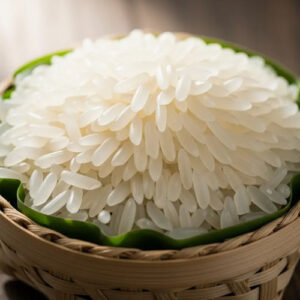
Retail consumers judge rice primarily by its visual appearance in the package. Whole, intact grains with uniform length and translucent color signal quality and freshness. Broken fragments, chalky spots, and discolored grains are perceived as signs of poor quality, even though they are nutritionally identical. The 5% broken standard strikes the optimal balance between visual perfection and cost-efficiency, providing rice that looks premium on store shelves without the premium pricing of sortexed grades.
Storage and Shelf Life Guidelines
Properly stored Thai Long Grain White Rice maintains its quality for 12-18 months from the milling date. The keys to long shelf life are controlled moisture (keep warehouse humidity below 65%), cool temperatures (15-25 degrees Celsius ideal), and protection from pests and contaminants. White rice has a significantly longer shelf life than brown rice because the bran layer (which contains oils prone to rancidity) has been removed during milling. For tropical destinations, we recommend fumigation upon arrival and storage in clean, ventilated warehouses on pallets raised at least 15cm from the floor.
Reviews
There are no reviews yet.