Description
What is Brown Rice and Why Is It More Nutritious than White Rice?
The Bran Layer – Where the Nutrition Lives
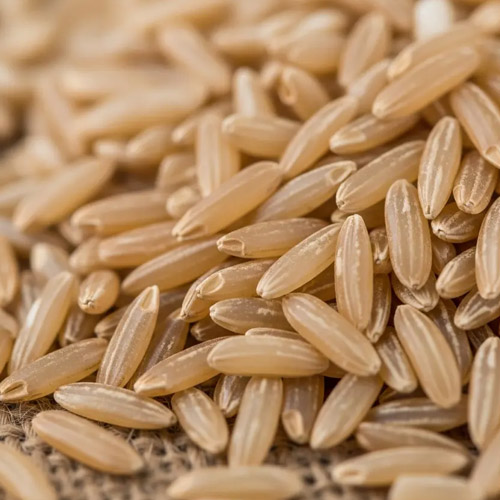
The bran layer that distinguishes brown rice from white rice is a nutritional powerhouse. This thin but vital outer coating contains approximately 80% of the rice grain’s total mineral content, 70% of its B vitamins, and essentially all of its dietary fiber. When rice is polished to become white, this entire layer is removed and typically sold as rice bran oil or animal feed – stripping the grain of its most nutritious components. By choosing whole grain brown rice, consumers retain all of these essential nutrients in their natural, bioavailable form. As a brown rice supplier committed to the health food market, MC INTERNATIONAL prioritizes gentle processing methods that preserve maximum bran integrity.
Magnesium, Selenium & Essential Minerals
Brown rice is one of the best dietary sources of magnesium, providing 86mg per 100g serving (approximately 21% of the recommended daily intake). Magnesium is essential for over 300 enzymatic reactions in the body, supporting heart rhythm, nerve function, muscle contraction, and blood sugar regulation. Brown rice also provides significant selenium (15mcg per 100g), a trace mineral that functions as a powerful antioxidant, supports thyroid hormone metabolism, and plays a key role in immune defense. Additional minerals include manganese (supporting bone health and metabolism), phosphorus (essential for bone and teeth formation), and iron (critical for oxygen transport in blood). As a whole grain rice supplier, we provide detailed nutritional analysis certificates confirming mineral content in every export shipment.
Glycemic Index & Blood Sugar Management
One of the most significant health advantages of brown rice over white rice is its lower glycemic index. White rice typically has a GI of 70-80, causing rapid blood sugar spikes after consumption. Brown rice, with its intact fiber-rich bran layer, has a GI of 50-55 – classified as low-to-medium on the glycemic scale. The fiber slows the digestive breakdown of starch into glucose, resulting in a more gradual, sustained release of energy. Clinical studies have shown that replacing white rice with brown rice can reduce the risk of type 2 diabetes by up to 16%. This is particularly significant in Asian and African markets where rice is the primary dietary staple and diabetes prevalence is rising rapidly. As a brown rice manufacturer partner, we see this health advantage driving significant demand growth in our key export markets.
The Growing Health Food Market Opportunity
The global brown rice market is experiencing unprecedented growth, expanding at 8-12% annually – significantly outpacing the overall rice market growth rate of 1-2%. This acceleration is driven by the convergence of several powerful trends: rising health consciousness among consumers in both developed and developing markets, growing awareness of whole grain benefits through public health campaigns and dietary guidelines, the clean-label movement in food manufacturing favoring minimally processed ingredients, expanding Asian cuisine popularity introducing new consumers to rice-based diets, and increasing disposable incomes in emerging markets enabling consumers to choose healthier options. For importers and distributors, brown rice represents a high-margin opportunity within the rice category, commanding 30-50% price premiums over standard white rice in retail channels.
Reviews
There are no reviews yet.