
Description
What is Pusa 1121 Basmati Rice and How is It Different from Other Rice?
Where Does Pusa 1121 Basmati Come From?
The Pusa 1121 variety is the crown achievement of India’s Indian Agricultural Research Institute (IARI), commonly known as the Pusa Institute, located in New Delhi. The variety was developed by Dr. V.P. Singh through an extensive crossbreeding program that spanned over two decades, combining the aromatic qualities of traditional Basmati landraces with improved agronomic traits. Released commercially in 2003, Pusa 1121 quickly became the most exported Basmati variety in the world, accounting for over 60% of India’s total Basmati rice exports. As a trusted indian basmati rice supplier, MC INTERNATIONAL recognizes that the Pusa heritage represents a commitment to scientific excellence that directly benefits our customers.
Why Pusa 1121 Doubles in Length
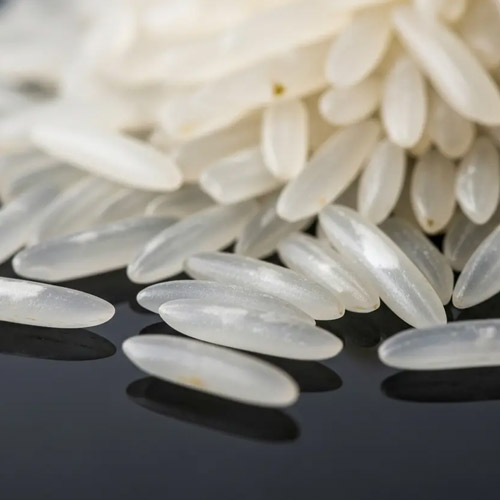
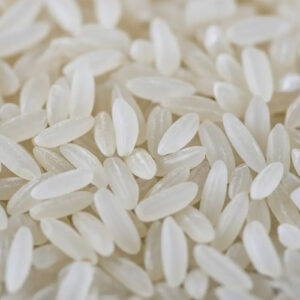
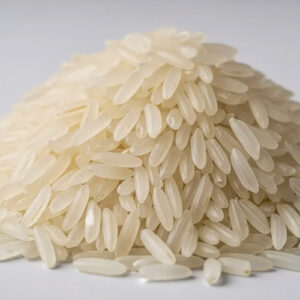
The extraordinary elongation of Pusa 1121 is rooted in its unique starch composition. Unlike ordinary rice varieties, Pusa 1121 contains a higher proportion of amylose (25-27%) relative to amylopectin. During cooking, this linear amylose structure absorbs water in a way that causes the grain to expand primarily along its length rather than its width. The result is cooked grains that reach 18-22mm in length – nearly double the raw grain length of 8.3mm – while maintaining a slender, elegant shape. This linear expansion, combined with the aging process that further modifies starch granule structure, produces the signature long, separate, non-sticky grains that make Pusa 1121 the ultimate choice for biryani, pilaf, and premium rice presentations.
The Aging Process – Transforming Good Rice into Great Rice
Aging is what separates premium Basmati from ordinary long-grain rice. When freshly harvested Basmati paddy is stored in controlled warehouse conditions for 6-24 months, several important changes occur at the molecular level. Moisture content gradually decreases from 14% to 11-12%, causing the starch granules to become harder and more crystalline. This structural change means the grains absorb water more slowly during cooking, expand more uniformly, and remain separate rather than clumping together. Simultaneously, lipid oxidation produces new flavor compounds that contribute to the characteristic “aged Basmati” nutty aroma – a depth of flavor absent in fresh, unaged rice. Our basmati rice manufacturer partners maintain dedicated aging warehouses with temperature and humidity monitoring to ensure optimal aging conditions.
Culinary Excellence – From Biryani to Pilaf
Pusa 1121 Basmati Rice is the definitive choice for the world’s great rice dishes. In biryani – India’s most celebrated rice preparation – the extra-long grains layer beautifully with spiced meat, absorbing flavors while maintaining their individual identity. For Middle Eastern pilaf and kabsa, the grains cook to a perfectly fluffy, separate texture that complements rich lamb and chicken preparations. Persian tahdig, the prized crispy bottom layer of a rice pot, benefits from the 1121’s length and firm texture when properly soaked and par-cooked. Even in simple steamed preparations, Pusa 1121’s aromatic profile and visual presentation elevate any meal to a premium experience. As a basmati rice supplier to restaurants and food service companies, we consistently hear that Pusa 1121 is the variety that impresses diners the most.
Reviews
There are no reviews yet.