
Description
Understanding VHP Sugar: Polarity, Yield, and the Refining Economy
What “Very High Polarity” Means
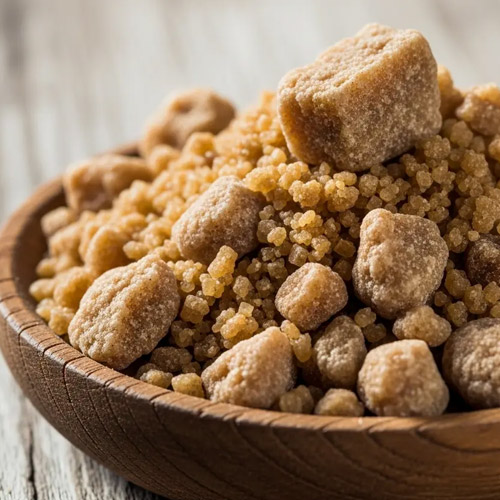
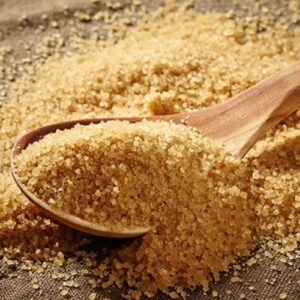
Polarity is the measure of sucrose purity in sugar, expressed as a percentage. Standard raw cane sugar runs from roughly 96% to 98.5% polarity, while VHP guarantees a minimum of 99.30%. That difference is achieved by running the mill’s centrifuges harder and longer to fling off more of the molasses film that clings to each crystal. The payoff is a raw sugar that behaves almost like a refined feedstock: less color, less moisture, fewer reducing sugars, and a higher proportion of pure sucrose ready to crystallize into white sugar.
The VHP standard was pioneered by Brazilian producers in the 1990s to give destination refineries a consistent, high-yield raw material, and it has since become the dominant raw sugar grade in world trade. As a VHP sugar supplier, MC INTERNATIONAL guarantees that each shipment is independently tested so buyers know exactly what polarity, color, and impurity profile they are receiving before the cargo ever leaves Thailand.
VHP vs. Standard Raw Sugar
The choice between VHP and standard raw cane sugar comes down to economics and end use. VHP costs more per ton but delivers more refined sugar per ton and lower processing cost, which makes it the rational choice for high-throughput refineries. Standard raw sugar, with its heavier molasses coating and ICUMSA values up to 1200, is more economical where the buyer is producing specialty brown sugars or operating a refinery where feedstock cost outweighs marginal yield. We supply both so buyers can match the grade to their operation.
The Re-Refining Process
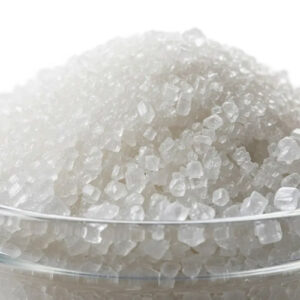
At the destination refinery, VHP sugar undergoes affination, where crystals are mixed with heavy syrup and centrifuged to wash off the last of the surface molasses. Because VHP carries so little molasses to begin with, this stage is faster and recovers more sugar than it would with standard raw sugar. The washed crystals dissolve into a liquor that is clarified, passed through carbon or ion-exchange columns to strip color, and vacuum-crystallized into pure white sugar. Starting from a 99.30%+ feedstock, the refinery reaches ICUMSA 45 finished sugar with measurably less energy and chemical input.
Commodity Trading Dynamics
VHP is priced off the ICE Sugar No. 11 futures contract, the global benchmark for raw sugar in US cents per pound. Physical VHP trades at a premium to No. 11 that captures the value of its extra polarity and lower impurity. Thai VHP generally earns a firm premium for its reliable quality and efficient port logistics. Contracts follow international norms: Letter of Credit payment, pricing linked to No. 11 quotations, and FOB Thai port or CFR destination delivery terms.
Who Buys VHP Sugar
The primary buyers of VHP are large-scale cane and beet refineries that re-process raw sugar into refined white sugar for their domestic and regional markets. Refining hubs across the Middle East, North Africa, and Southeast Asia — including operators in Saudi Arabia, Algeria, Indonesia, and Malaysia — rely on imported VHP to keep their plants running at high yield. As a VHP sugar manufacturer partner and exporter, MC INTERNATIONAL supplies these refineries with the consistent 99.30%+ quality that protects their throughput and margins.
Reviews
There are no reviews yet.