Description
What is Raw Cane Sugar and How Is It Processed into Refined Sugar?
What is VHP (Very High Polarity) Sugar?
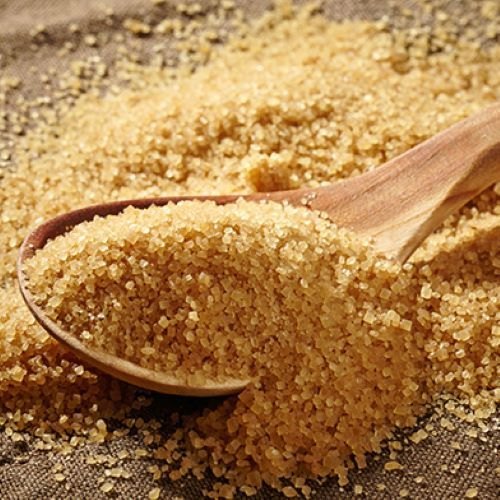
VHP sugar is a specialized grade of raw cane sugar that has been developed specifically for the international commodity trade. The term “Very High Polarity” refers to the sucrose content, which typically ranges from 99.30% to 99.60% for the VHP classification. This is achieved through careful control of the centrifugation process at the sugar mill, where molasses is separated from sugar crystals more thoroughly than in standard raw sugar production. The result is a raw sugar with less residual molasses, lower moisture, and lower impurity levels – making it ideal for efficient re-refining.
The VHP specification was developed primarily by Brazilian sugar producers in the 1990s to create a standardized raw sugar product that destination refineries could process more efficiently. Today, VHP has become the dominant raw sugar grade in international trade, with Thailand, Brazil, India, and Australia as the major producing countries. As a raw cane sugar supplier of VHP grade sugar, MC INTERNATIONAL ensures that every shipment meets the strict polarity, moisture, safety factor, and dextran specifications that refineries require for optimal processing efficiency.
The Molasses Factor
Molasses is the thick, dark syrup that remains after sugar crystals are extracted from concentrated cane juice. In raw cane sugar, a thin film of molasses coats each crystal, contributing to the distinctive golden-brown color, caramel-like flavor, and higher moisture content compared to refined white sugar. The ICUMSA color range of 600-1200 directly correlates with the amount of molasses remaining on the crystal surface. Lower ICUMSA values (600-800) indicate lighter sugar with less molasses, while higher values (1000-1200) indicate heavier molasses coating. As a cane sugar supplier, we can source specific ICUMSA ranges based on the buyer’s requirements, whether for re-refining, specialty food production, or direct animal feed use.
The Re-Refining Process
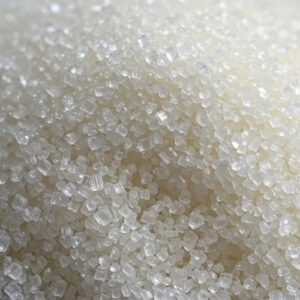
When raw cane sugar arrives at a destination refinery, it undergoes a transformation process to produce refined white sugar. The first step is affination, where raw crystals are mixed with a heavy syrup and centrifuged to wash away surface molasses. The washed crystals are then dissolved to create a liquor, which undergoes clarification using lime and carbon dioxide (carbonatation) or phosphoric acid (phosphatation) to remove suspended impurities. The clarified liquor passes through activated carbon or ion-exchange columns to remove color compounds, then undergoes vacuum crystallization to form pure white sugar crystals. This process converts ICUMSA 600-1200 raw sugar into ICUMSA 45-150 refined sugar.
Bulk Commodity Trading Dynamics
Raw cane sugar is one of the most actively traded agricultural commodities in the world. The ICE Sugar No. 11 futures contract serves as the global pricing benchmark, with physical sugar traded at a premium or discount to futures based on origin quality, delivery location, and market conditions. Thailand’s raw sugar typically trades at a slight premium to the No. 11 benchmark, reflecting its consistently high quality and reliable shipping infrastructure. Contract terms generally follow international commodity trading standards: payment via Letter of Credit, pricing basis linked to ICE No. 11 quotations, and delivery FOB Thai ports or CFR destination.
Why Importing Countries Prefer Raw Sugar
Many countries maintain domestic refining industries and deliberately import raw sugar rather than finished refined sugar. This strategy supports local employment, adds value within the domestic economy, and allows refineries to produce sugar tailored to local market preferences. Countries like Indonesia, Malaysia, Bangladesh, Algeria, and Saudi Arabia operate large-scale refineries that process imported raw cane sugar into refined products for their domestic and regional markets. Tariff structures in many countries also favor raw sugar imports with lower duties compared to refined sugar, creating a clear economic incentive for the raw-then-refine model. As a raw sugar manufacturer partner, MC INTERNATIONAL supplies these destination refineries with consistent VHP quality that maximizes their processing efficiency.
Reviews
There are no reviews yet.